

Climate Controlled vs Drive Up Self Storage

Climate-Controlled vs. Drive-Up Storage: Which is Right for You?
When you start looking at self storage in Oakwood GA, the first real decision is whether you need a climate controlled unit or a drive-up unit. Both are good options and we offer both. The right answer depends on what you are storing, how long it is going in for, and how often you plan to get to it.
Here is a straightforward way to think it through, including some local numbers that make the choice clearer than the usual advice does.
What is climate controlled storage?
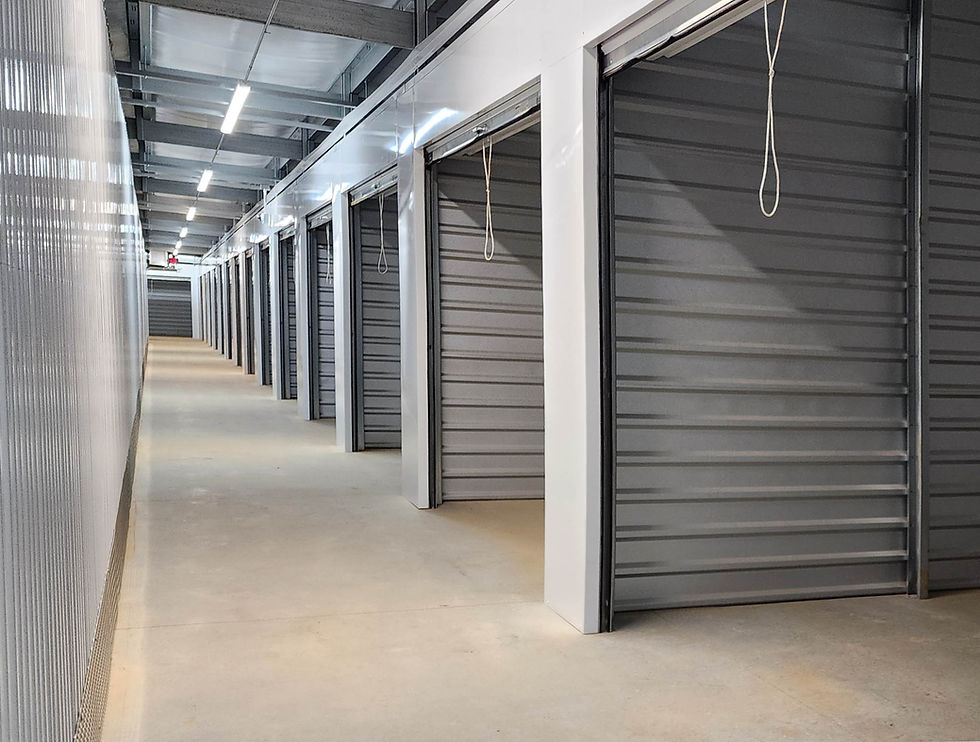
A climate controlled unit holds a steadier temperature and humidity level than a standard unit. It sits inside the building rather than opening to the outdoors, which keeps your belongings away from the heat, cold, and moisture swings that do the actual damage.
At Hometown Storage every climate controlled unit is on the ground floor, so you are not hauling anything up an elevator or down a long hallway to reach it. That is not true at most facilities and it matters more than people expect on moving day.
What is drive-up storage?
A drive-up unit is exactly what it sounds like. You pull your vehicle right up to the roll-up door, open it, and load straight in. There is no hallway, no elevator, and no carrying things farther than a few feet.
Drive-up units are the more affordable option and they are hard to beat for convenience, especially for bulky items or anything you need to get in and out of regularly.
Does North Georgia humidity actually damage stored items?
Yes, and there is a number that makes the case better than any general warning about Georgia weather.
The EPA recommends keeping relative humidity below 60 percent, and ideally between 30 and 50 percent, to prevent mold growth. Gainesville averages about 71 percent relative humidity in July and 70 percent in August. Even in January the average is around 66 percent.
In other words, the outdoor air around Oakwood and Gainesville sits above the EPA's mold threshold for most of the year, not just during a bad summer week.
Add the temperature swing on top of that. Average highs here run in the mid 80s through July and August, and an enclosed metal unit sitting in direct sun runs meaningfully hotter than the outside air. Then winter brings highs around 50. Wood, leather, adhesives, and electronics all expand and contract through that cycle, and repeated movement is what causes joints to loosen, veneer to lift, and finishes to crack.
None of this happens overnight, which is exactly the problem. The damage builds slowly enough that most people do not notice until they open the unit months later.
What should go in a climate controlled unit?
Anything made of wood, leather, paper, fabric, or electronics, and anything you would be upset to lose.
Wood furniture and antiques are the most common. Wood absorbs and releases moisture with the air around it, so a humid summer followed by a dry winter can warp a tabletop or split a joint that survived decades in a climate controlled house.
Electronics and appliances belong here too. Humidity corrodes contacts and circuit boards, and heat degrades batteries and capacitors. Documents, books, and photographs are similar. Paper goes brittle or grows mold, and photographs stick together in a way that cannot be undone.
Musical instruments need stable conditions more than almost anything else. A guitar or piano reacts to humidity changes within days. Upholstered furniture, mattresses, clothing, leather goods, and anything with fabric round out the list, since textiles absorb moisture and hold onto musty odors permanently.
What is fine in a drive-up unit?
Plenty. Drive-up units are not a compromise, they are the right tool for a large share of what people store.
Tools, construction supplies, and lawn equipment do well in drive-up units, and the direct vehicle access makes loading heavy items much easier. Outdoor gear like camping equipment, bikes, motorcycles, and ATVs is built to handle weather already. Business inventory that gets accessed frequently is a natural fit, since you can back a truck right up to the door.
Plastic bins, metal shelving, patio furniture, and general household overflow are also fine. And for short-term storage during a move or a renovation, a drive-up unit usually makes more sense than paying for climate control on items that will only be there a few weeks.
Is climate controlled storage better than keeping things in your garage?
Generally yes, and by a wider margin than most people assume.
A home garage is one of the harshest environments in the house. It is usually uninsulated, it shares a large uninsulated door with the outdoors, and it heats and cools faster than any other space you own. Attached garages also take on moisture from vehicles coming in wet, and detached garages and backyard sheds are worse still.
A climate controlled unit holds a far steadier environment than that. So if you are choosing between putting your grandmother's dresser in the garage or in a climate controlled unit in Oakwood, the unit is the safer place for it by a good distance.
The honest exception is short-term. If something is going into the garage for three weeks between projects, that is fine. The garage becomes a problem when temporary quietly turns into two years.
How do you keep mold and mildew off furniture in storage?
Control moisture going in, and give air somewhere to move once the door closes.
The single most important rule is to never store anything damp. The EPA notes that materials dried within 24 to 48 hours usually will not grow mold, but a sealed unit does not dry anything out. A slightly damp cushion, a rug that was cleaned the day before, or a tent packed up after a wet weekend at Lake Lanier will still be damp months later, and by then it will be growing something.
Clean and fully dry everything before it goes in. Wipe down wood and leather, launder and completely dry fabrics, and let anything recently washed sit out an extra day.
Then leave air gaps. Keep boxes and furniture a few inches off the walls and slightly apart rather than packed solid to the ceiling. Pallets or a couple of two-by-fours under the bottom layer help as well.
Skip the plastic wrap on furniture. Sheet plastic traps moisture against the surface, which is the opposite of what you want. Old sheets or breathable furniture covers protect against dust while still letting the piece breathe. Moisture absorbers in the unit help too, as long as you remember to change them.
Do all that in a climate controlled unit and mold is very unlikely. Do it in a standard unit and you have still improved your odds considerably.
Is climate controlled storage worth the extra cost?
It comes down to what you are storing and for how long.
Climate control costs more per month than a comparable drive-up unit. The way to think about it is not as a monthly fee but against the replacement cost of what is going inside. One warped dresser, one ruined mattress, or one box of photographs generally costs more than the difference adds up to over a year.
The rule of thumb we give customers: if you are storing for more than a few months, and the items are sensitive or hard to replace, climate control pays for itself. If you are storing durable goods for a short stretch, a drive-up unit is the better value and we will tell you so.
Worth knowing either way is that our standard units come with a 12-month rate guarantee. Whichever type you pick, the rate you sign up for is the rate you keep for a full year. Storage prices in this area have a way of creeping up a few months in, and that is not how we do it.
How do you choose between them?
Three questions usually settle it.
What are you storing? Wood, leather, electronics, paper, fabric, and anything sentimental point to climate control. Tools, outdoor equipment, and plastic bins point to drive-up.
How long is it going in for? Under a couple of months, a drive-up unit is usually plenty. Longer than that through a Georgia summer and climate control starts earning its keep.
How often will you need to get to it? If you are in and out weekly for business inventory or equipment, drive-up access saves real time on every trip.
If you are somewhere in the middle, come look. We keep a show unit available so you can see the actual space before committing, and it is a lot easier to decide standing in front of one.
Which does Hometown Storage offer?
Both, all on the ground floor, at our Oakwood location convenient to Gainesville, Mundy Mill, Lake Lanier, and the University of North Georgia.
Every rental includes a free disc lock and the 12-month rate guarantee, and the property is fully fenced and gated with keypad entry and security cameras. We also have RV, boat, work truck, and trailer parking, plus U-Haul rentals on site if you need a truck for the move itself.
We are locally owned, which means when you call with a question about which unit fits your situation, you are talking to someone who knows this property. Give us a call or stop in during office hours and we will help you figure out which one you actually need, even if that turns out to be the cheaper one.
Ready to rent? Contact us today or rent your storage unit online!


Comments